
Colonial First State (CFS) has unveiled one of the most ambitious initiatives yet seen in Australia’s financial advice sector, opening a national digital advice infrastructure platform to all 15,000 licensed financial advisers in the country — whether or not they currently use the CFS platform.
The move positions CFS to challenge rivals including HUB24 and Netwealth while also tackling one of the industry’s most pressing structural challenges: the shortage of affordable financial advice for everyday Australians.
Under the new model, advisers will receive free access to a fully integrated digital advice infrastructure layer, including digital fact find tools, open-banking integrations, workflow automation and outsourced advice document production.
“For too long, advisers have spent more time assembling paperwork than helping clients plan their financial futures,” said Bryce Quirk, Group Executive for Distribution at Colonial First State. “This new infrastructure removes the operational friction from financial advice so advisers can spend more time helping Australians make better financial decisions. This initiative is about building the infrastructure that allows advisers to focus on advice — not administration.”
The infrastructure has been developed in collaboration with several specialist technology partners, including Sydney-based advice infrastructure provider Padua, which has spent more than a decade building systems designed to streamline advice production and compliance workflows.
Addressing Australia’s advice gap
The initiative also comes at a time when policymakers and regulators have become increasingly concerned about Australia’s “advice gap.”
While millions of Australians would benefit from professional financial advice — particularly as they approach retirement — the cost and complexity of producing compliant advice has made it difficult for many advisers to service middle-income households.

Industry estimates suggest that whilst only around 2,600,000 currently pay for financial advice, more than 10 million Australians would like access to quality financial advice but currently cannot obtain it at a price they can afford.
According to CFS executives, reducing the operational cost of producing compliant advice is one of the most powerful ways to expand access. By digitising and automating much of the administrative work involved in producing advice documents, the new infrastructure could significantly reduce the time and cost required for advisers to deliver advice.
“Technology should make advice more accessible, not more complicated,” Mr Quirk said. “If we can help advisers serve more clients efficiently, we can help more Australians receive the guidance they need to plan for retirement with confidence.”
A national advice infrastructure layer
The new infrastructure begins with a modern digital discovery and fact find process, allowing advisers to gather financial information from clients more efficiently through open banking and integrated data connections.
The discovery process is supported by WealthX, a client engagement platform that helps advisers assemble a comprehensive picture of a client’s financial position while significantly reducing manual data entry.
Forms and product applications can then be automatically generated and pre-populated using data already captured within the system — eliminating large portions of administrative work that have traditionally slowed the advice process.
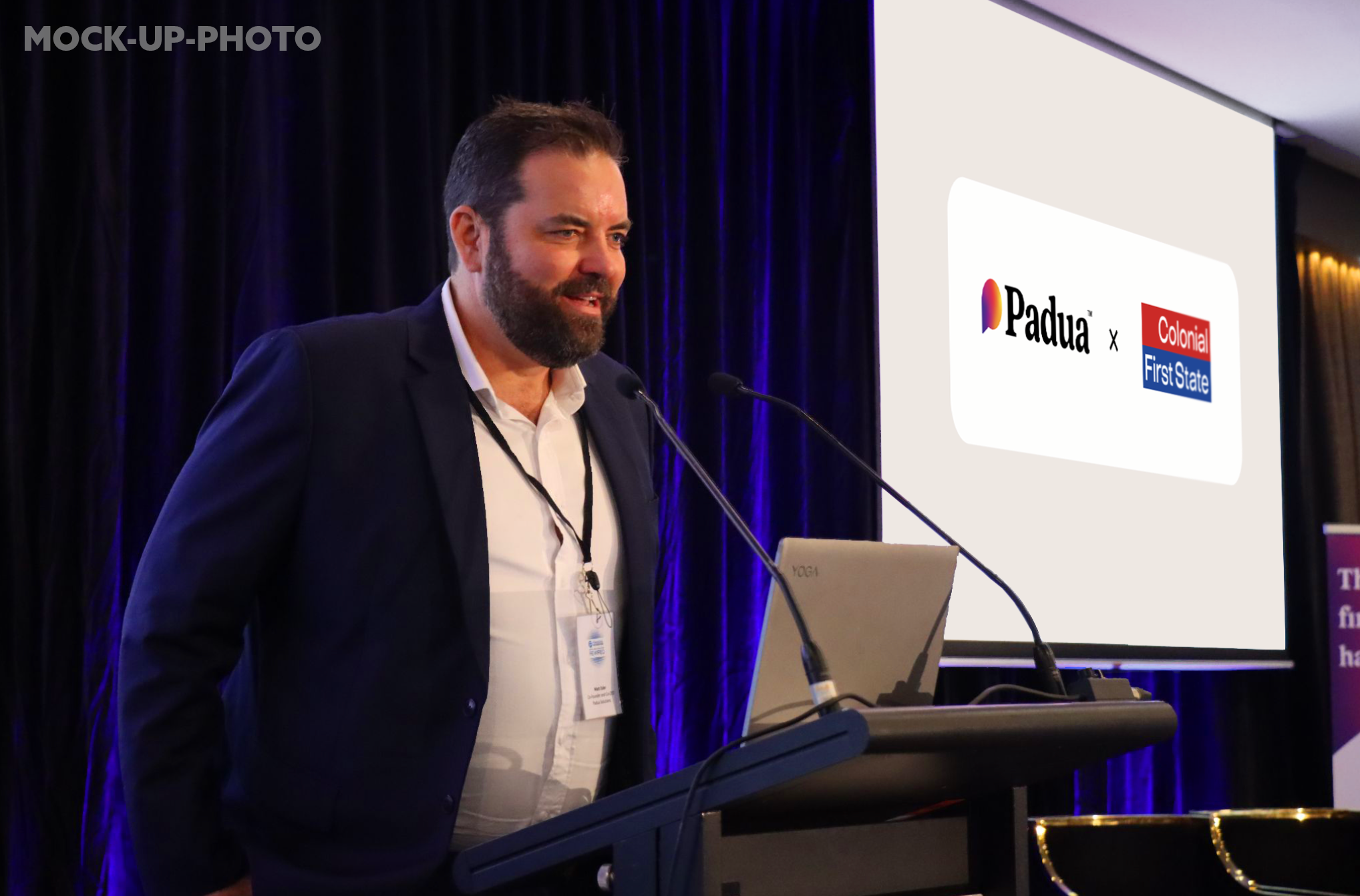
At the centre of the infrastructure is a highly structured advice generation and documentation workflow, developed in partnership with specialist advice production provider Padua, which manages the controlled generation of Statement of Advice documentation and associated compliance checks.
Advice documentation can be pushed directly from adviser workflows into the controlled production environment, where structured processes, automation and AI-driven checks help ensure advice quality and regulatory compliance before documents are finalised. The model allows advisers to maintain full oversight of the process while significantly reducing the time and operational burden involved in producing compliant advice documentation.
Industry participants say the operational efficiencies created through the new workflow infrastructure could allow many advisers to comfortably manage more than 300 client relationships, compared with the industry norm of around 100 clients per adviser today.
“For years we’ve had to turn people away because producing compliant advice simply took too long,” said Sarah Mitchell, director of a Melbourne-based financial planning practice. “If this technology allows advisers to serve three times as many clients while maintaining the same quality standards, it could completely change the economics of advice.”
Video Statements of Advice
In a significant shift for the profession, advisers using the system will also be able to deliver Video Statements of Advice alongside traditional written documents.
The video summaries explain the recommendations in plain English and are referenced back to the formal written SOA to maintain regulatory compliance. Advisers can also deliver presentation-style advice explanations through integrated visual summaries designed to help clients better understand complex financial strategies.
Industry participants say the approach could significantly improve client understanding of advice recommendations.
Real-time compliance monitoring
One of the most notable elements of the system is a real-time compliance auditing engine, which checks advice files continuously against regulatory requirements set by ASIC and AFCA.
Instead of compliance reviews occurring weeks or months after advice is delivered, files are monitored during the advice process itself. Supporting data and historical artefacts are automatically archived in Amazon Glacier deep cold storage, significantly improving long-term data security and auditability.
The tightly controlled workflow and automated compliance checks are also beginning to influence the professional indemnity insurance market. Some advice firms that move their entire advice generation process onto the infrastructure have reported significant reductions — and in some cases the effective disappearance — of professional indemnity insurance costs, as insurers gain confidence in the consistency and auditability of the advice production process.
New savings marketplace for advice clients
Clients whose advisers use the platform will also gain access to a curated marketplace of bespoke financial offers negotiated with banks, telcos and energy providers.
The offers aim to help households reduce everyday financial costs, including mortgages, telecommunications packages and energy contracts. Industry participants say the savings could amount to thousands of dollars per year for many households, and potentially hundreds of thousands of dollars over the course of a long-term financial plan.
“Our adviser showed us opportunities to refinance our mortgage and switch energy providers that we simply hadn’t thought about,” said David Nguyen, a Sydney-based client who recently used a digital advice platform trial. “The savings alone could be worth tens of thousands of dollars over time — and it all came from a conversation about our financial plan.”
A new digital relationship with clients
The system also introduces a more interactive ongoing relationship between advisers and clients. Clients receive video updates from advisers on their financial progress, a digital dashboard showing their holistic wealth position, and regular notifications about progress toward financial goals.
Clients can also signal whether they would like to schedule a review meeting or are comfortable continuing on a “steady as she goes” trajectory. Industry observers say this could materially improve engagement between advisers and clients — an area that has historically been weak across the profession.
Video member statements for one million Australians

CFS has also confirmed that it will become the first Australian platform provider to deliver Video Member Statements to its more than one million platform members.
Instead of traditional static statements, members will receive short personalised video summaries explaining changes in their portfolio, market movements and progress toward retirement goals. CFS executives believe the initiative will significantly improve member engagement and financial literacy.
A platform strategy shift
The initiative represents a significant shift in CFS’s platform strategy. Historically, platforms have competed primarily on investment menus and pricing. But industry analysts say the next battleground is advice infrastructure — the operational systems advisers rely on to deliver advice efficiently and compliantly.
By opening the system to all advisers — not just those already using the CFS platform — the firm is effectively positioning itself as the operating system for financial advice in Australia.
A potential industry tipping point
If successful, the model could significantly reduce the cost of producing compliant financial advice in Australia — an issue regulators and policymakers have struggled with for years.
Industry executives say the move could represent a tipping point in the digitisation of advice delivery.
“For the first time, someone is trying to build the full stack of advice infrastructure — not just another platform feature,” said one senior industry executive familiar with the initiative.